
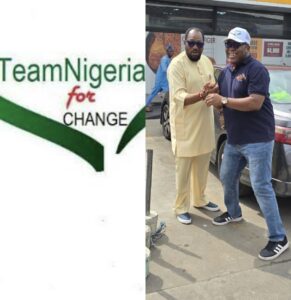
Otunba Bestman Nze-Jumbo, President of TeamNigeria4Change and Publisher/CEO of Eko Mi Eko E, has announced a fuel-support initiative aimed at helping commercial transport operators cope with the pressure of fuel costs.
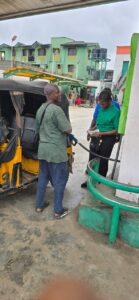
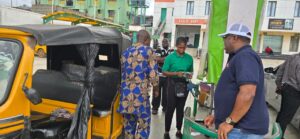
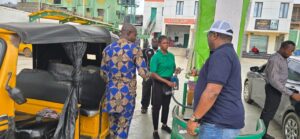
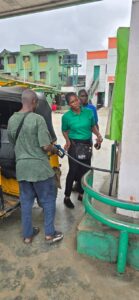
Under the initiative, Nze-Jumbo says he has been paying for fuel for commercial motorcycles, Keke and Korope buses at selected filling stations, with the exercise being carried out under the auspices of TeamNigeria4Change.
Describing the intervention as his “little way of reducing the fuel effect on the masses,” Nze-Jumbo said the initiative is designed to provide practical support to transport operators who rely on fuel for their daily businesses.
“My little way of reducing the fuel effect on the masses. I pay for fuel for bikes, Keke and Korope across filling stations under the auspices of TeamNigeria4Change. We will spread it across the state soon.”
For commercial transport operators, fuel is a major part of their daily operating expenses. Motorcyclists, tricycle operators and Korope drivers depend on regular fuel purchases to keep their businesses moving, while increased operating costs can also place additional pressure on the wider transport system.
The initiative therefore focuses on providing direct relief at the point where the cost is felt most frequently the filling station.
According to Nze-Jumbo, the current exercise is only the beginning, with plans to extend the fuel-support initiative to more locations across Lagos State.
The TeamNigeria4Change initiative places emphasis on direct community support, with the latest intervention targeting a group of workers who play an important role in the everyday movement of people across Lagos.
As the programme expands, more commercial transport operators are expected to benefit from the initiative.
For Nze-Jumbo, the objective is straightforward: to use available resources to provide some relief to people dealing with the everyday impact of fuel costs.
From the filling station to the streets of Lagos, the initiative is putting practical support directly into the hands of transport operators.