

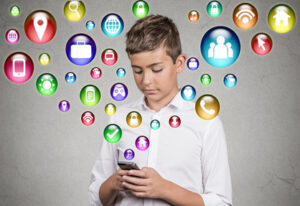
The digital landscape for teenagers in the United Kingdom is about to change drastically. In a groundbreaking policy shift, the UK government has officially announced a total ban on social media access for children under the age of 16.
This sweeping move aims to address growing anxieties regarding youth mental health, cyberbullying, and online safety. Here is a breakdown of what the new policy entails and how it could reshape the internet for minors.
Why is the UK Implementing a Ban?
For years, digital safety advocates and parents have sounded the alarm on the addictive nature of algorithm-driven feeds. According to the breaking news report featured on Channels Television, the decision comes after mounting pressure on tech companies to better protect vulnerable users. By cutting off access to under-16s, Prime Minister Keir Starmer aims to drastically reduce screen time and shield younger teens from harmful online content.
What Does the Ban Mean for Tech Companies?
The burden of proof will fall heavily on social media platforms like TikTok, Instagram, and Snapchat. Tech giants will be legally required to enforce strict age-verification measures to ensure users under 16 cannot bypass the restrictions. According to international analysis from CNBC Africa, companies that fail to comply with these regulations face severe financial penalties.

The Big Question: Will It Work?
While many parents and child advocacy groups are celebrating the announcement, critics and tech experts remain skeptical. Key concerns include:
- Enforcement Hurdles: Finding foolproof, privacy-respecting age verification methods remains incredibly difficult.
- The VPN Loophole: Tech-savvy teenagers may easily bypass local bans using Virtual Networks (VPNs).
- Digital Isolation: Some educators worry that cutting off social platforms could inadvertently disconnect teens from important peer support networks.
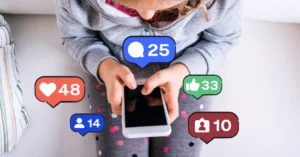
Final Thoughts
The UK’s aggressive stance marks one of the strictest internet regulations in the democratic world. As this policy rolls out, all eyes will be on how tech companies adapt—and whether other countries choose to follow suit.
What do you think about this ban? Is it a necessary step to protect kids, or is it an overreach of government control? Let us know your thoughts in the comments below!