


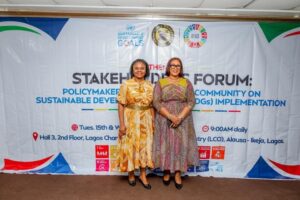

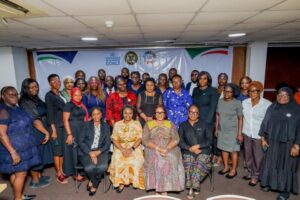
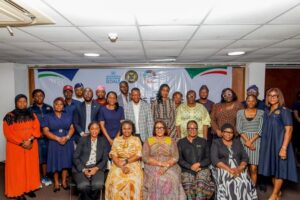
Lagos State is calling for stronger coordination between law, public policy and development planning as stakeholders intensify efforts to advance the implementation of the United Nations Sustainable Development Goals (SDGs).
The discussion centres on how legislation and government policies can be better connected to development priorities, ensuring that commitments made through laws and policy frameworks translate into measurable improvements for residents.
The 17 Sustainable Development Goals cover a broad range of issues, including poverty reduction, quality education, healthcare, gender equality, decent work, sustainable cities, climate action, strong institutions and partnerships.
For Lagos, the SDGs are already incorporated into the state’s long-term development framework. The Lagos State Development Plan 2052 identifies the goals as an important reference point for achieving the state’s vision of becoming a sustainable, inclusive and globally competitive megacity.
The state’s 2026 budget also aligns its spending priorities with the SDGs, alongside the Lagos State Development Plan and the administration’s THEMES+ policy framework. The budget identifies areas including infrastructure, healthcare, education, social inclusion, environmental sustainability and effective governance as key development priorities.
Lagos MEPB
The latest push for closer law-policy coordination therefore reflects a broader question facing governments: how can development commitments be translated into effective implementation?
For Lagos, stronger coordination could involve ensuring that new and existing legislation supports development objectives, that government agencies work from common priorities and that implementation can be monitored through clear and measurable targets.
The approach also places emphasis on accountability and institutional coordination, particularly because many SDG targets cut across multiple sectors and government institutions.
As Lagos continues to manage the pressures of rapid urbanisation, population growth, environmental challenges and demand for public services, the alignment between its legal framework and development policies remains an important part of its long-term planning.
The goal is not simply to adopt policies or pass laws, but to ensure that both work together to deliver tangible outcomes for residents.
The bigger question is whether stronger coordination between legislation and policy can help turn Lagos’ ambitious development targets into measurable results.